Sofas don’t come with an expiry date.
One household might use the same sofa comfortably for years, while another puts theirs through daily family life, pets, movie nights, naps and everything in between.
So, how do you actually know when yours needs replacing?
It may be time to replace your sofa when the frame is no longer stable, the seating has permanently lost its support, damage can’t reasonably be repaired, or the sofa simply no longer works for the way you live. Age matters less than its condition, comfort and functionality.
Before you start shopping, here’s what we’d look at.
1. Your Sofa Is No Longer Comfortable
This is probably the easiest sign to notice.
A sofa should support you comfortably. If you're constantly shifting around trying to find a comfortable position, sinking much further than you used to or getting up feeling less comfortable than when you sat down, something may have changed.
But don't immediately blame the entire sofa.
Loose cushions can compress with use and may benefit from being plumped, rotated or repositioned where the design allows.
If you've tried maintaining the cushions and the seating still no longer provides the support you need, it might be time to consider whether the sofa has reached the end of its useful life in your home.
2. The Frame Doesn't Feel Stable Anymore
Fabric and cushions are the parts you see.
The frame is what holds everything together.
Movement, instability, unusual creaking or a sofa that no longer feels structurally sound deserves more attention than a cosmetic mark on the upholstery.
At Zorora, the frame is something we take seriously, which is why our sofa frames are covered by a 10-year warranty.
A sofa with tired-looking fabric may still have plenty of life left in it.
A sofa with a genuinely compromised frame is a different conversation.
3. The Seats Aren't Recovering Their Shape
It's completely normal for a sofa to show signs that it's actually being lived on.
Cushions soften. Fabrics settle. Your favourite seat may start feeling a little different from the one nobody uses.
What matters is whether the seating can still recover with normal maintenance.
If cushions remain heavily compressed, sagging has become permanent or the sofa no longer provides the support it once did, replacing it may eventually make more sense than continuing to work around the problem.
4. The Fabric Is Looking Tired, But Is the Sofa?
This is where we'd hesitate before replacing the whole thing.
A stain, faded area or upholstery that no longer suits your interior doesn't necessarily mean the sofa itself has reached the end of its life.
Sometimes it simply needs a good clean.
And if your Zorora sofa is one of the models for which we offer removable Slipcovers, changing the cover can give it a completely different look without replacing the sofa underneath.
Before buying something new, ask:
Is the sofa worn out, or am I simply tired of how it looks?
Those are two very different problems.
5. Your Life Has Outgrown Your Sofa
Sometimes there's absolutely nothing wrong with the sofa.
Your life has simply changed.
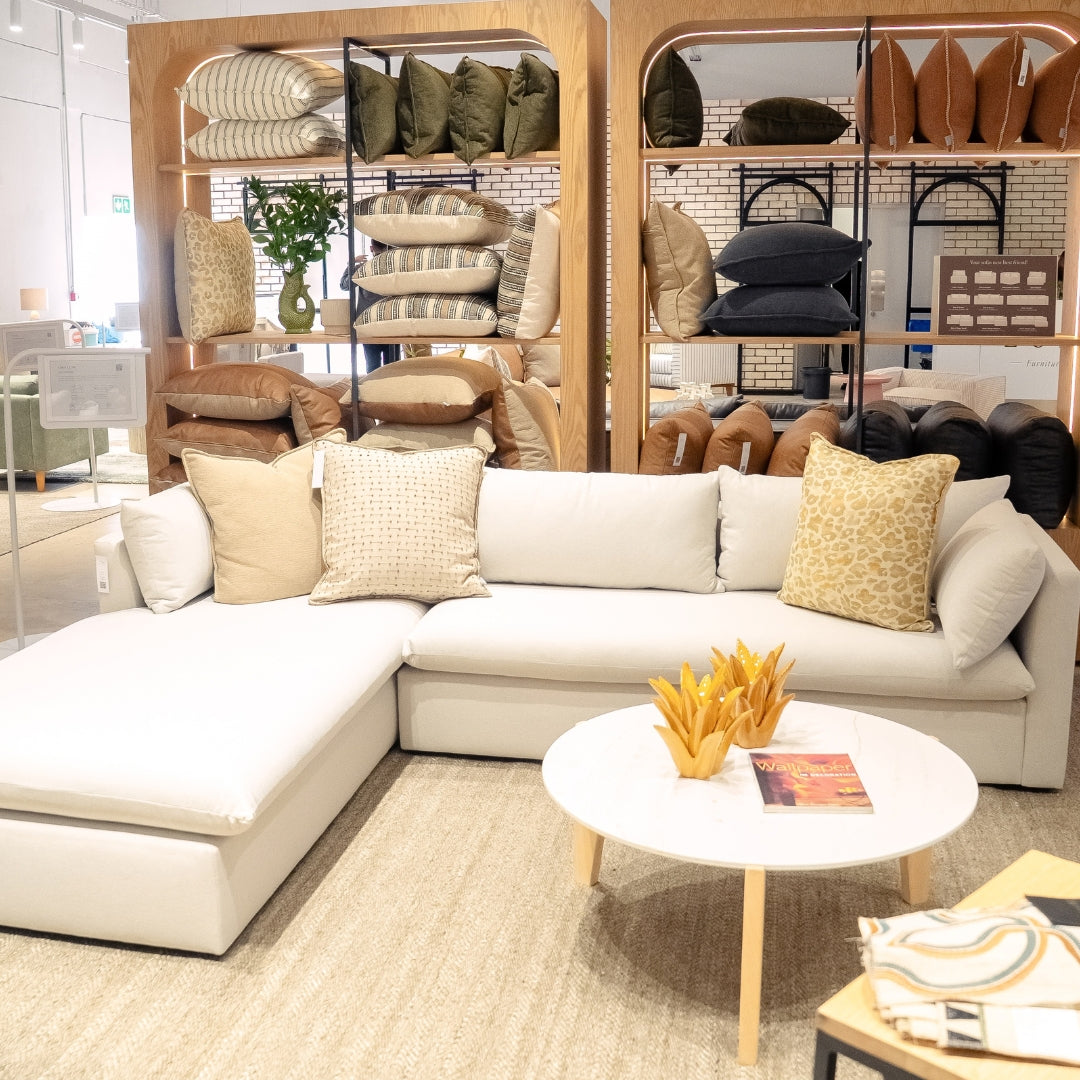
The Loveseat that worked perfectly in your first apartment might not work for a growing family. A large sectional that made sense in one home might overwhelm the living room after a move.
You may need more seats, less sofa, a different configuration or simply something that better suits the way you use your home now.
In that case, replacing your sofa isn't necessarily about wear.
It's about fit.
6. It No Longer Fits the Way You Want to Live
Comfort is personal.
Maybe you bought a firmer sofa and now prefer something deeper and more relaxed. Perhaps you want a higher back, washable slipcovers or a Modular configuration that can adapt more easily.
Your sofa can still be perfectly functional while no longer being right for you.
That doesn't mean you need to replace it immediately, but it's a valid reason to start thinking about what you'd choose differently next time.
Can You Extend the Life of Your Sofa Instead?
Often, yes.
Before replacing a sofa, consider whether regular maintenance could solve the problem.
Vacuuming, dealing with spills correctly, rotating loose cushions where appropriate and following the correct care guidance for your upholstery can all help you look after what you already have.
For selected Zorora models, a replacement slipcover can also be a practical way to refresh the appearance of the sofa while keeping the piece you already love.
Replacing should be the answer when the sofa genuinely needs replacing, not simply because it has been around for a few years.
So, Is It Time for a New Sofa?
Ask yourself three things:
Is it still structurally sound? Is it still comfortable? Does it still work for the way we live?
If the answer to all three is yes, your sofa may have plenty of living left to do.
If the answer is increasingly no, it might be time to start looking for what comes next.
And when you are ready, take what you've learnt from your current sofa with you. Think about what you loved, what you didn't and what your home needs now.
Because the best time to replace a sofa isn't determined by a number of years.
It's when the sofa you have no longer works for the life you're living.
Explore our sofa collections online or visit your nearest Zorora Showroom to sit-test different sizes, comfort levels and configurations in person.
Zorora — Furniture made for living